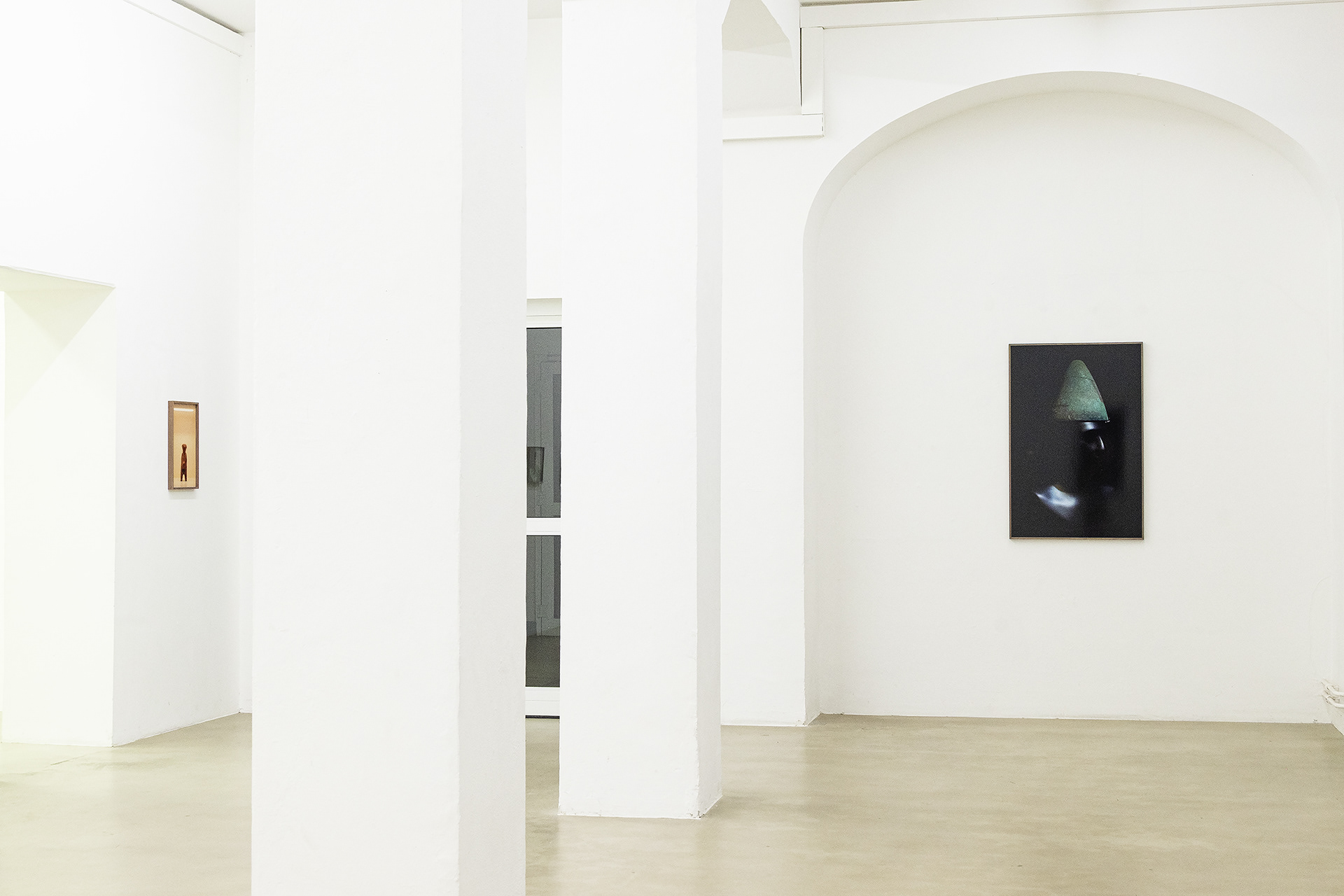
ExExoArtefakt(2015 – 2018)
digital C-prints, walnut frames with and without glass
20 × 30 cm, 30 × 45 cm, 105 × 70 cm
Kunsthaus Essen 2019
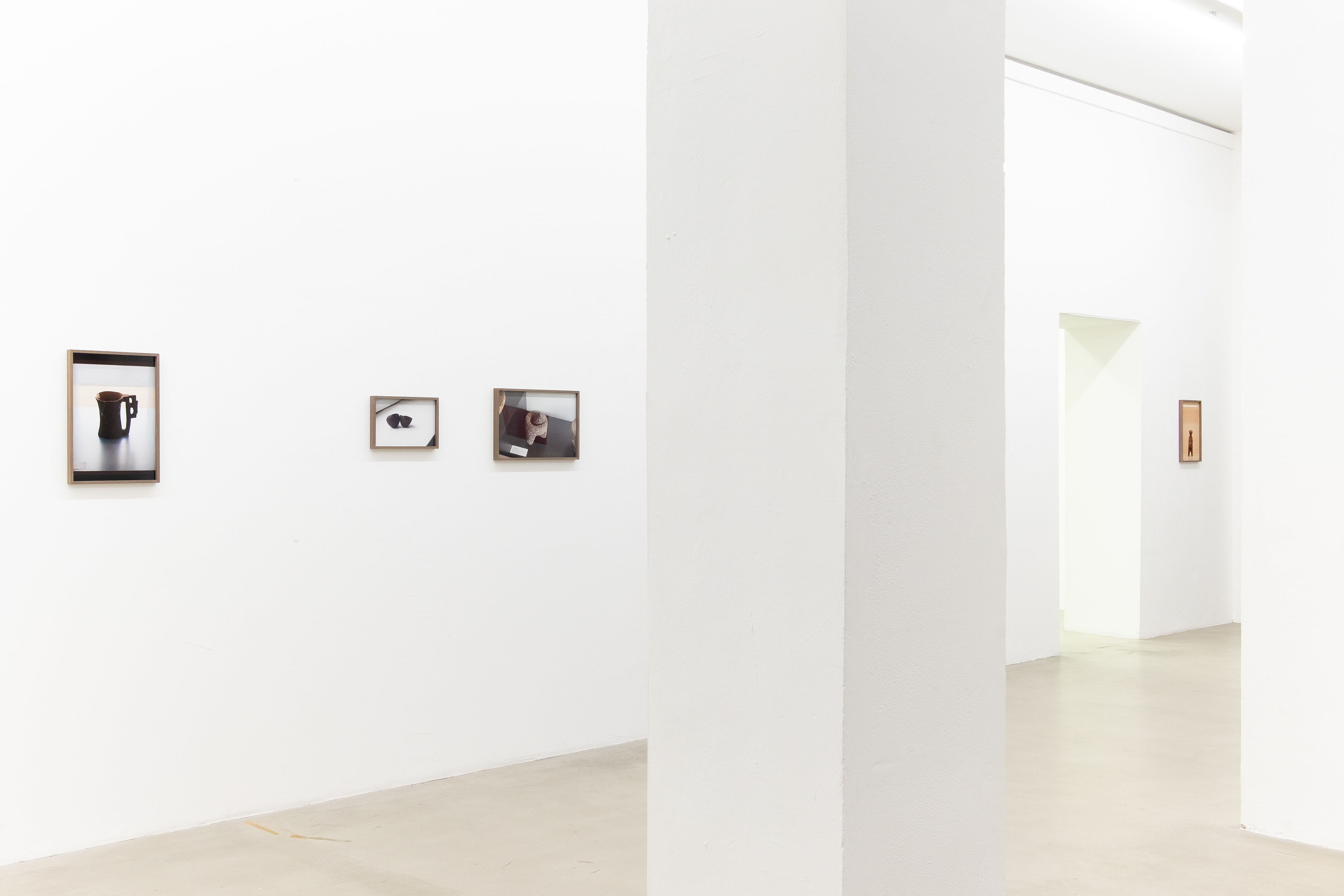
ExExoArtefakt(2015 – 2018)
digital C-prints, walnut frames with and without glass
20 × 30 cm, 30 × 45 cm, 105 × 70 cm
Kunsthaus Essen 2019
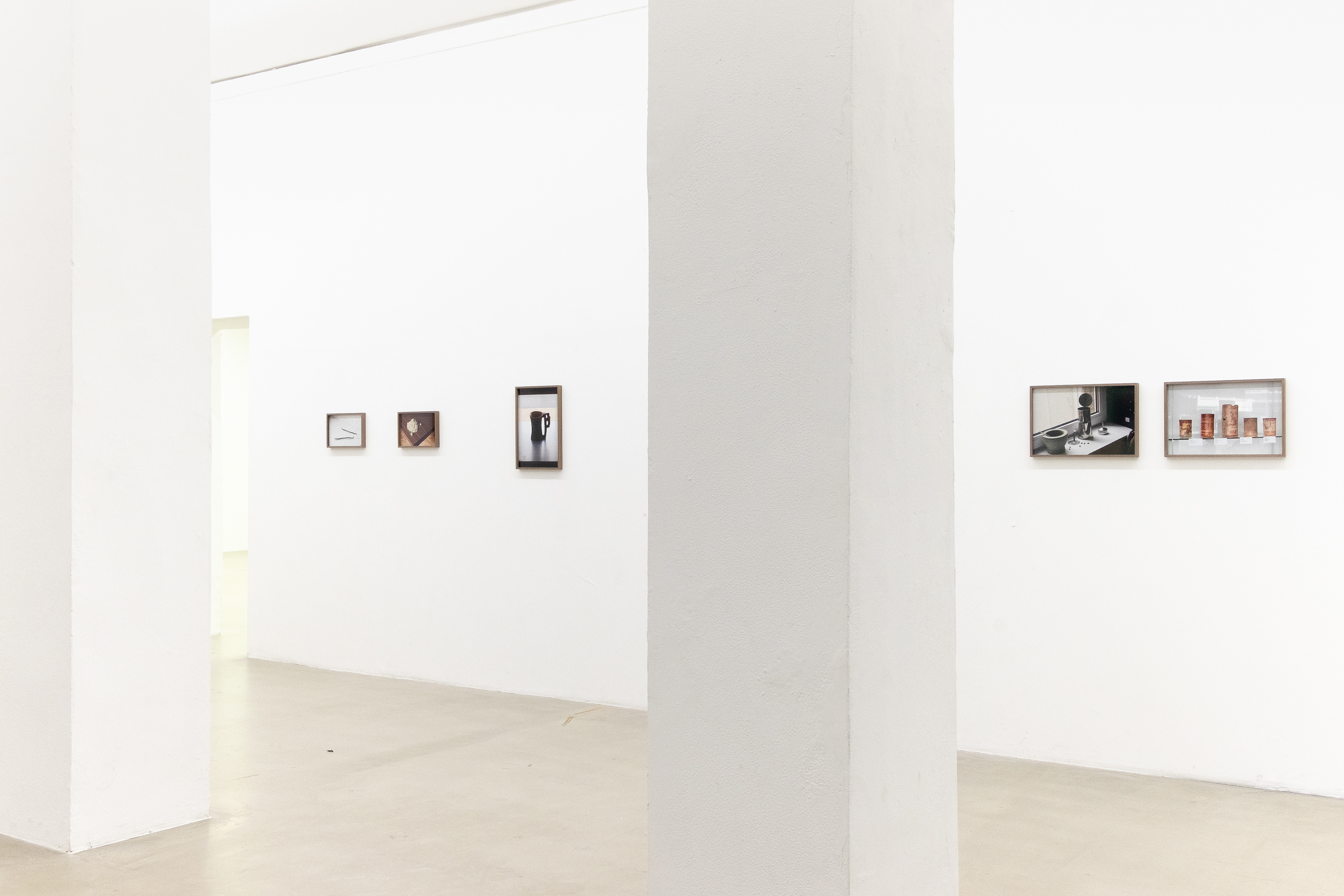
ExExoArtefakt(2015 – 2018)
digital C-prints, walnut frames with and without glass
20 × 30 cm, 30 × 45 cm, 105 × 70 cm
Kunsthaus Essen 2019
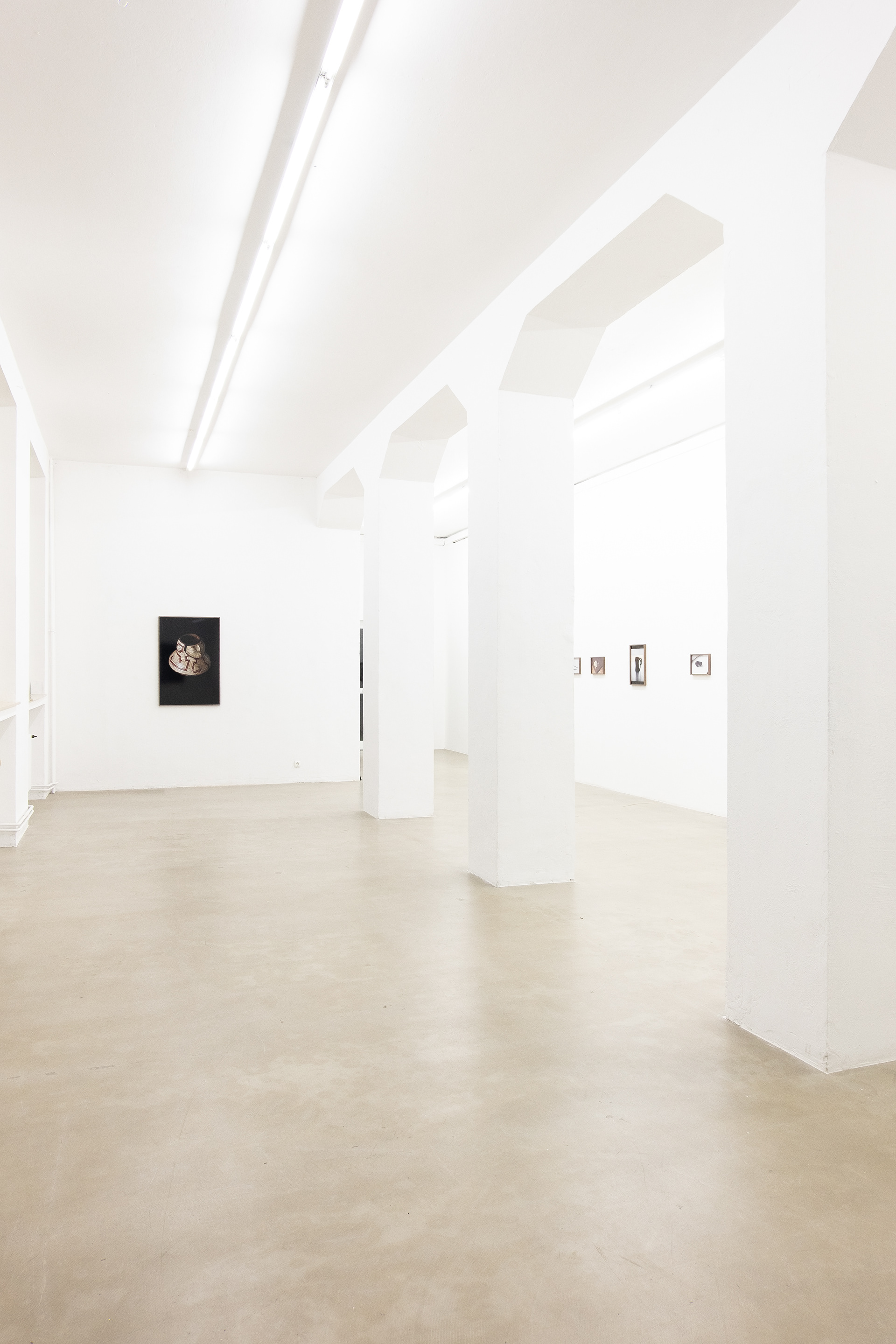
ExExoArtefakt(2015 – 2018)
digital C-prints, walnut frames with and without glass
20 × 30 cm, 30 × 45 cm, 105 × 70 cm
Kunsthaus Essen 2019
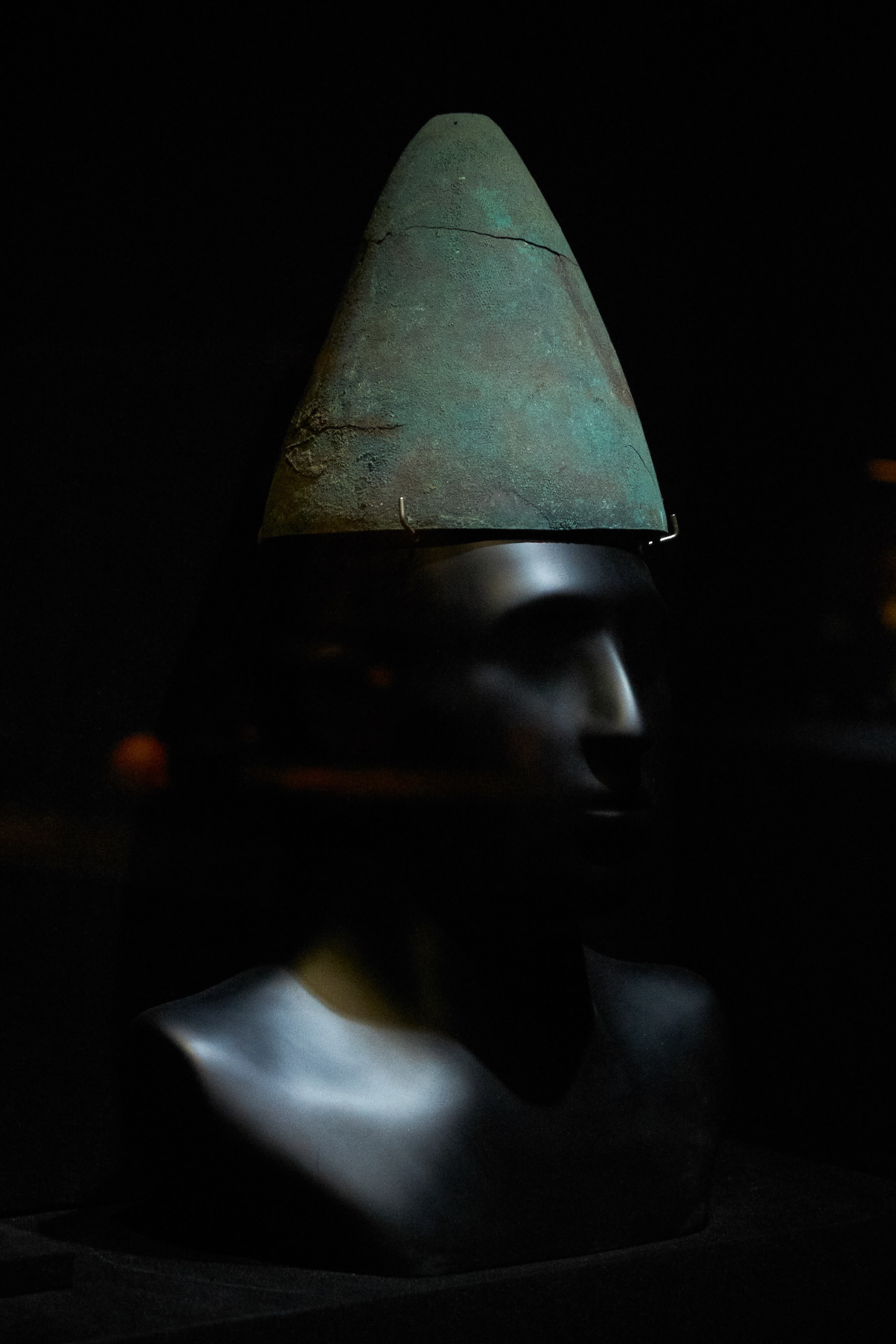
Helmet / Proxy for Moche Culture /
Museo Larco Lima, Peru / 2015
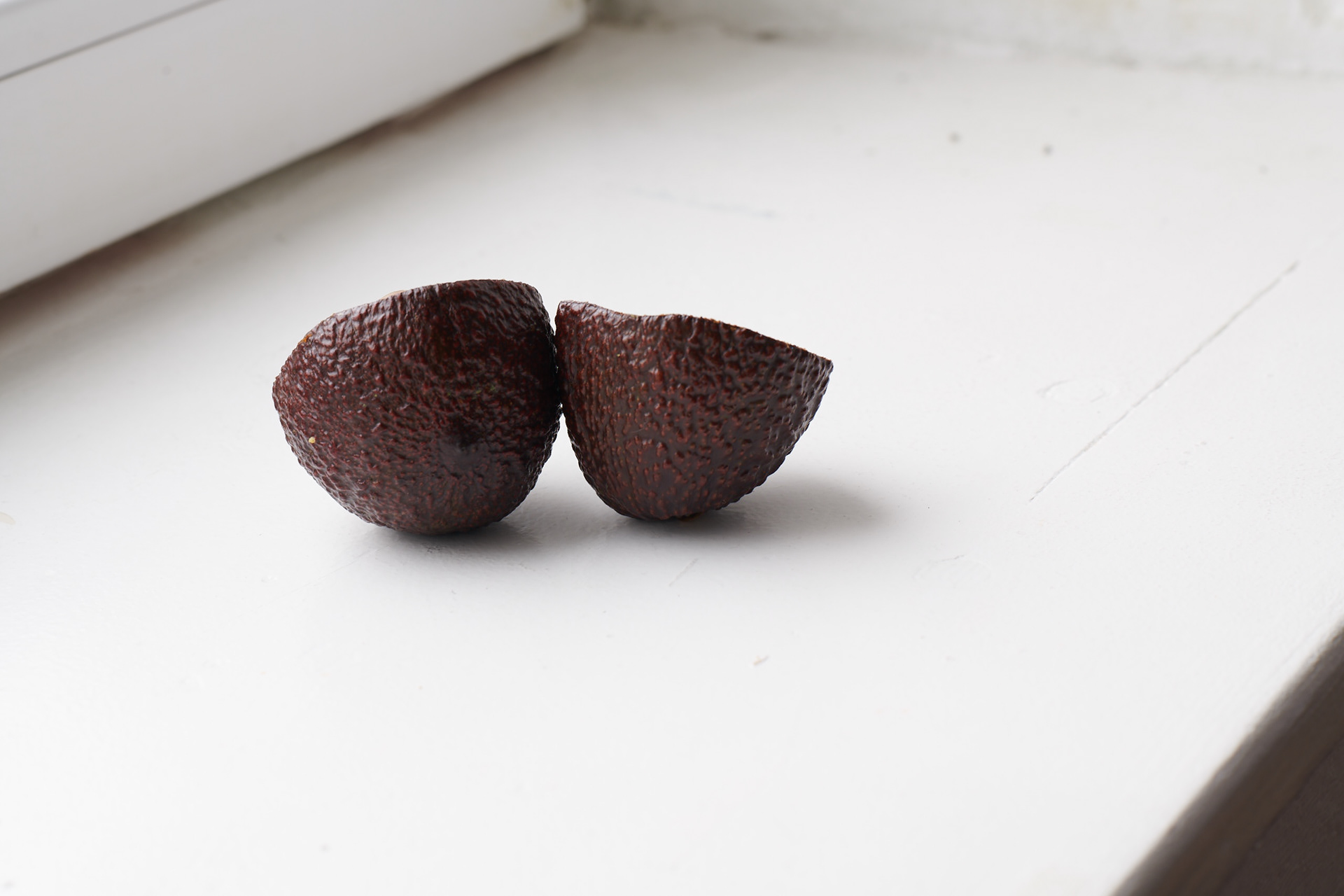
Avocado / Proxy I / Essen, Germany / 2018
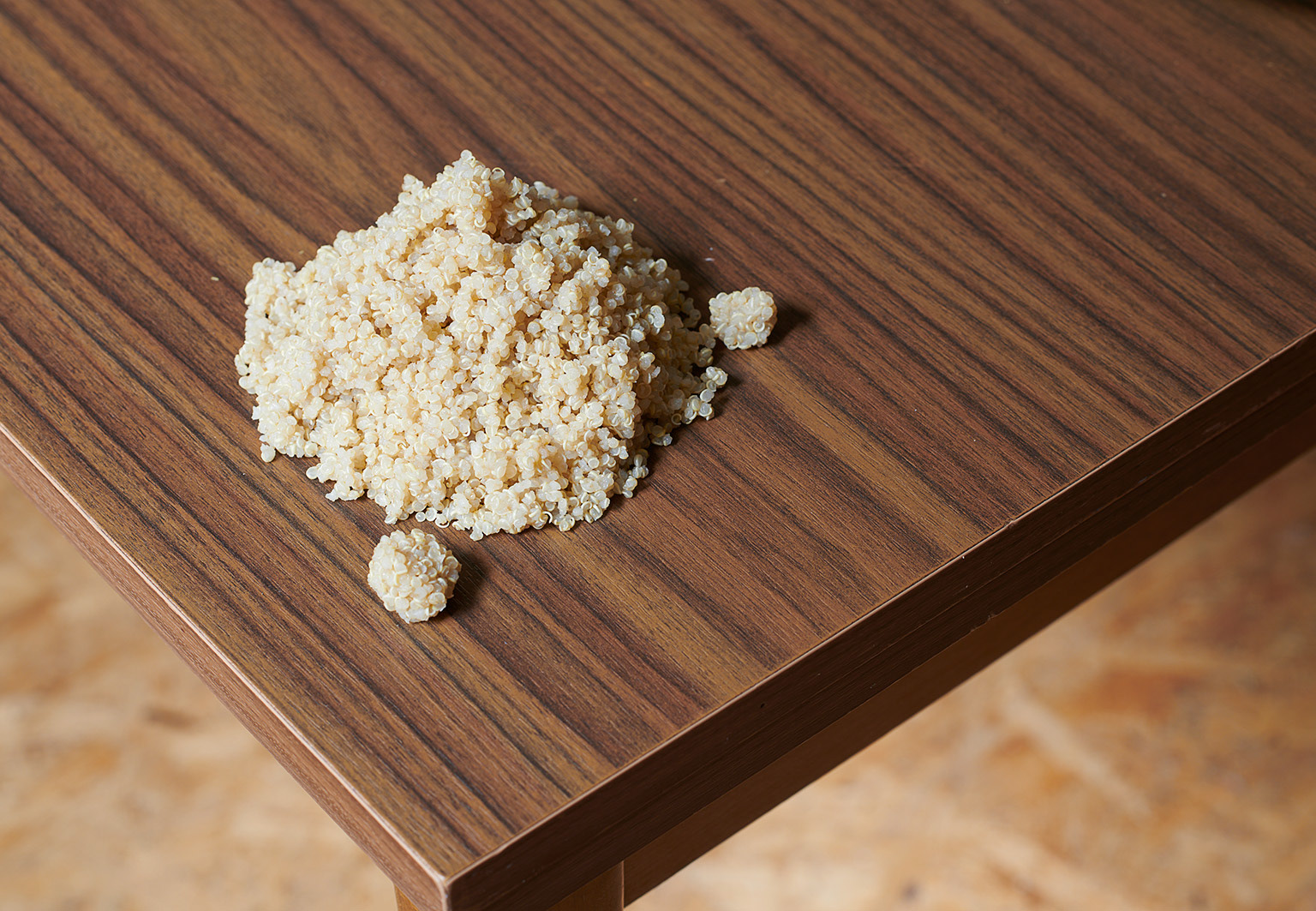
Quinoa / Proxy / Essen, Germany / 2018
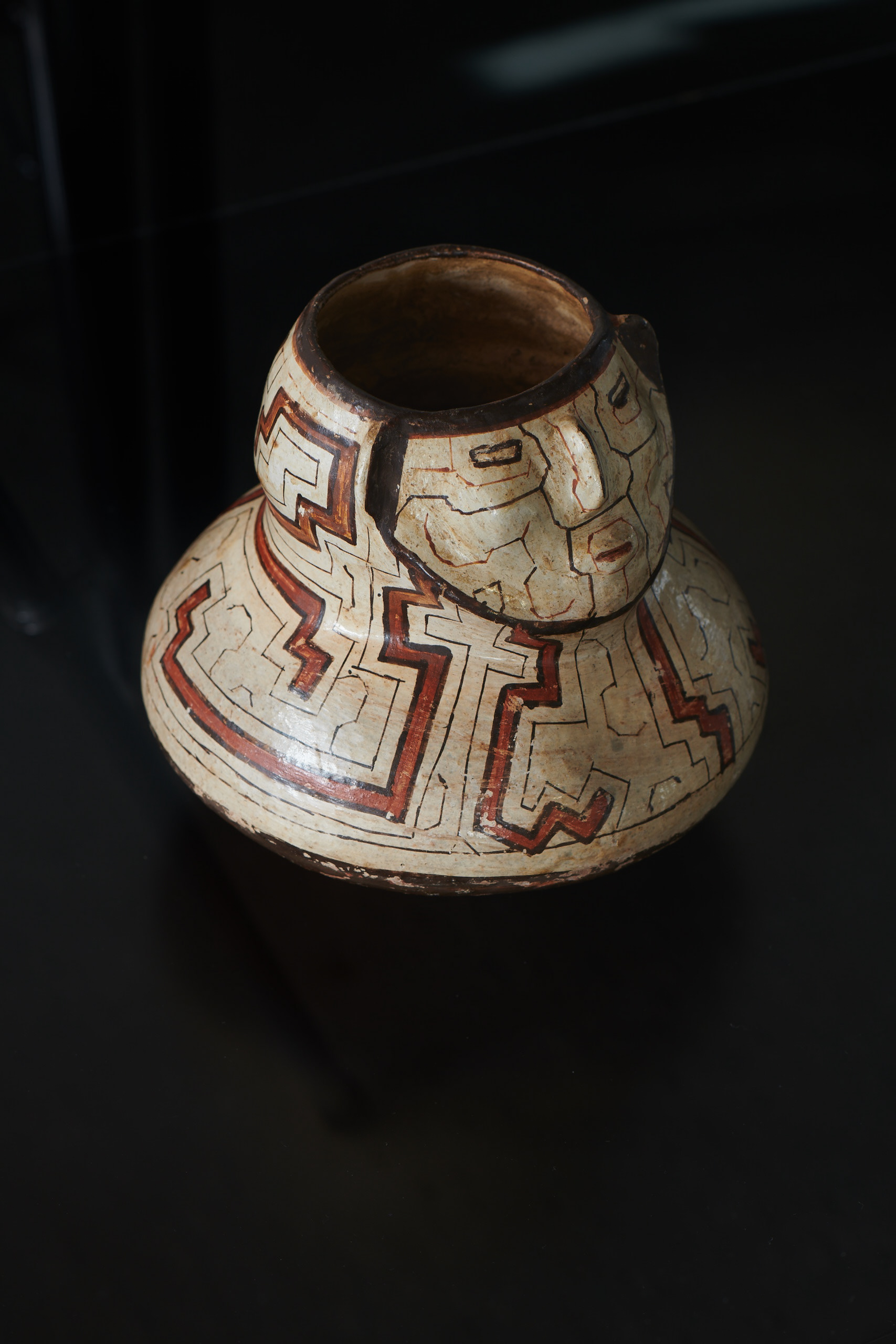
Anthropomorphic Vase II / Proxy for Shipibo Culture /
Latin America Collection University of Bonn, Germany / 2018
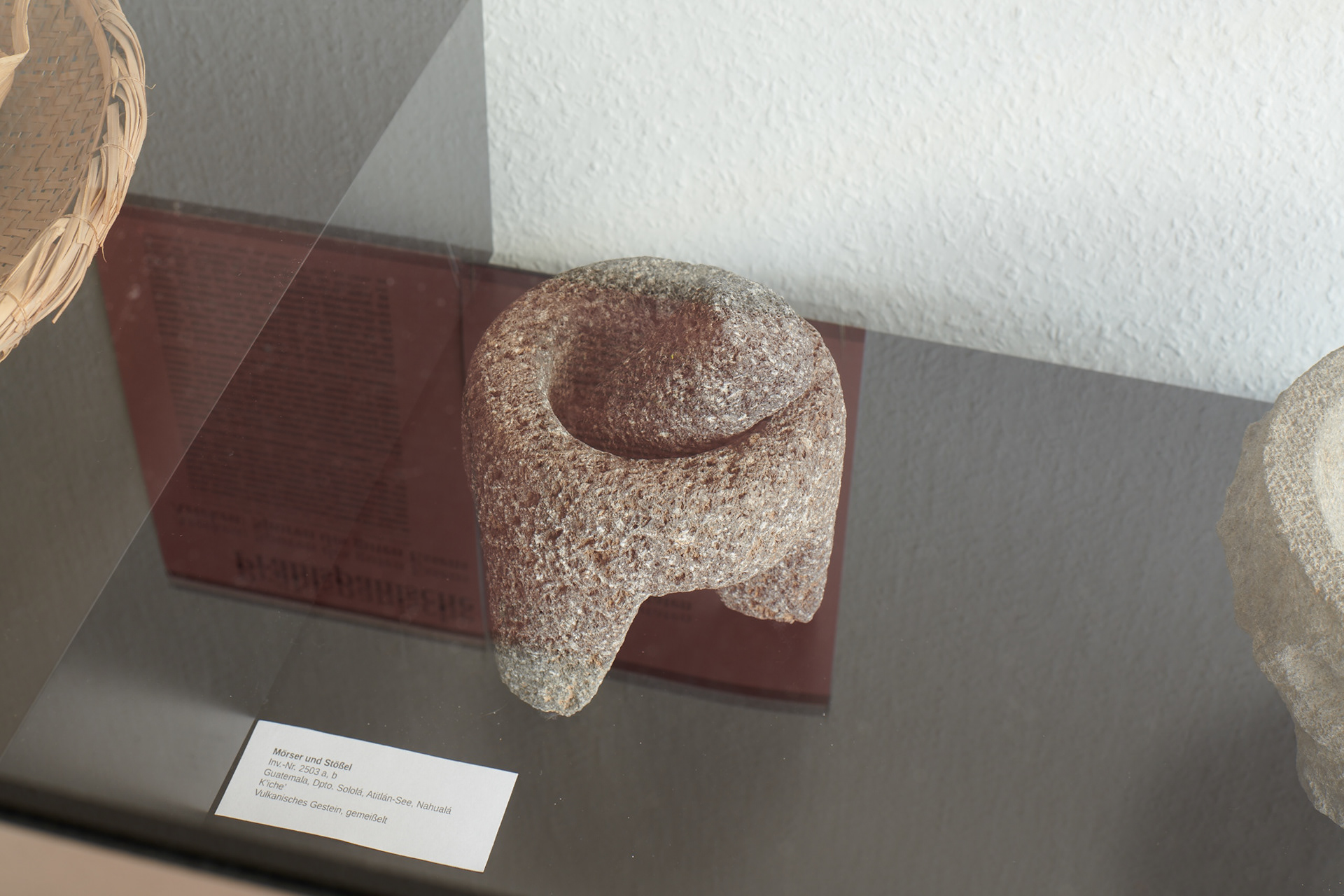
Pestel and Mortar / Proxies for K‘iche‘ Culture /
Latin America Collection University of Bonn, Germany / 2018
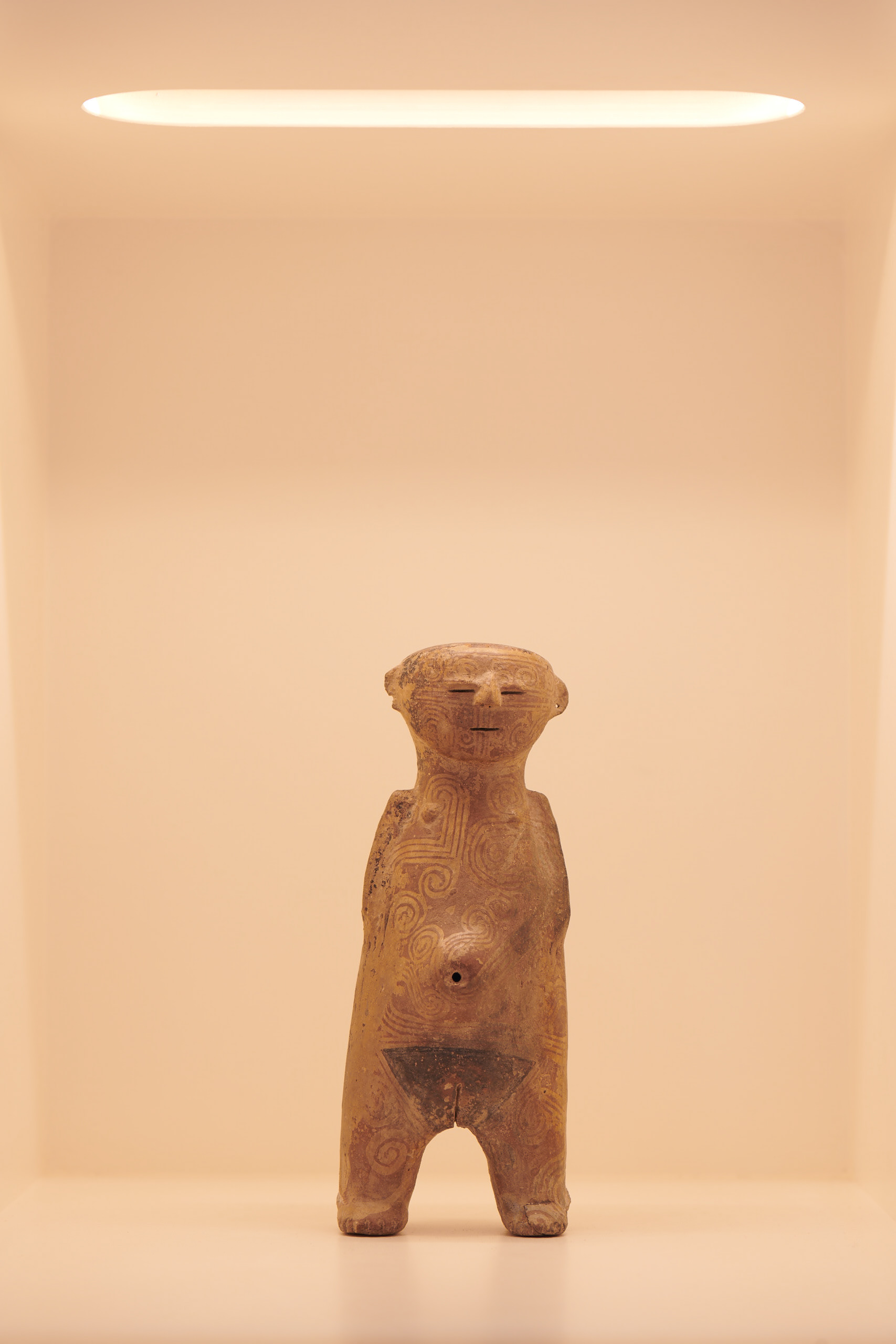
Anthropomorphic Figure / Proxy for Mojo Culture /
Latin America Collection University of Bonn, Germany / 2018
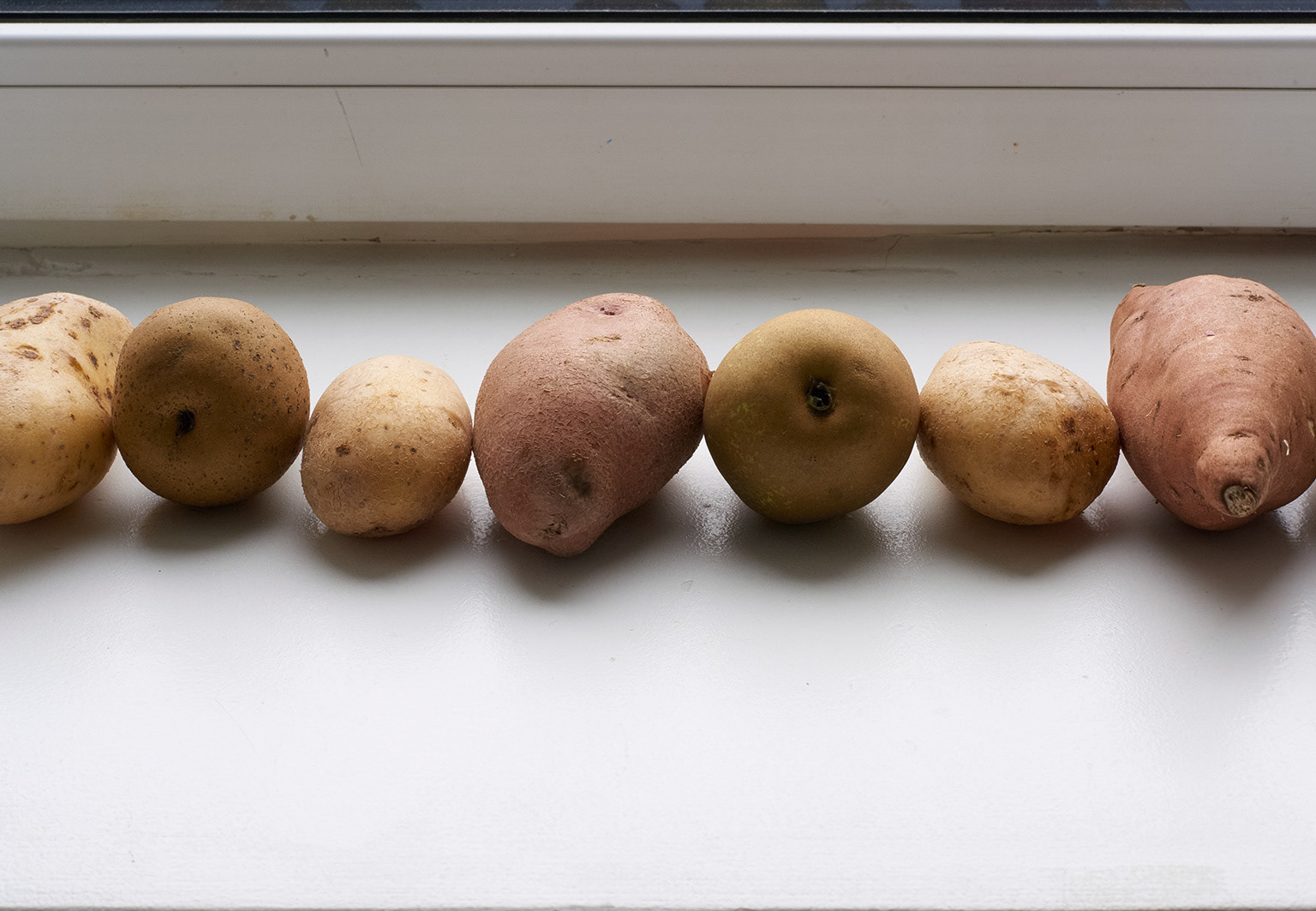
Potatoes (Erdbirnen) / Proxies / Essen, Germany / 2018
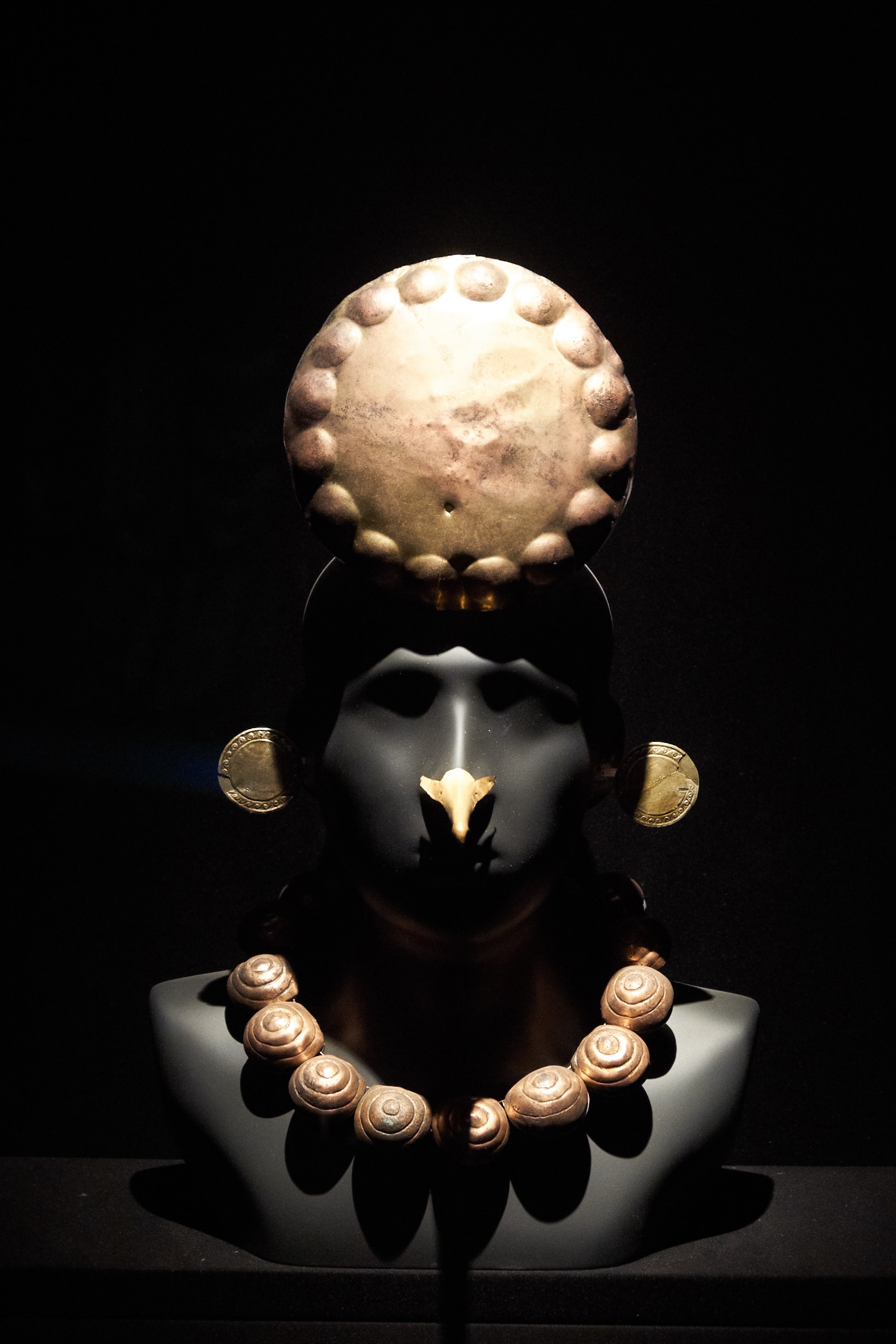
Jewellery / Proxy for Moche Culture /
Museo Larco Lima, Peru / 2015
ExExoArtefakt (2015 – 2018) applies museum-style presentation to everyday foods that have a historical connection to Latin America. These foods either originated there or were introduced there by former colonial powers. Through their recontextualization alongside museum artifacts from pre-Columbian cultures, these foods themselves become legible as artifacts and embodiments of colonial processes. The issue of non-European cultural heritage in Western ethnological collections is thus brought into everyday life. Modern superfoods are also on display, highlighting that the global economic system remains shaped to this day by the historical appropriation of natural resources from former colonies. The work examines the representational functions of objects and photography, draws attention to the colonial context of our daily lives, and challenges our concept of culture as well as Western systems of knowledge and valuation.